
A pearl can look luminous in a photo and still leave you with questions once it is in your hands. Is it well matched? Was it responsibly sourced? Are you paying for quality, or for layers of wholesale markup? For buyers who want beauty with real confidence behind it, farm sourced pearls offer a clearer answer.
The term matters because it points to where the pearl began and how closely the seller is connected to that origin. In fine jewelry, distance between source and shopper often adds cost, reduces transparency, and makes quality harder to verify. When pearls are sourced directly from farms or through tightly managed farm relationships, the result is usually better oversight, better selection, and a more honest sense of value.
What farm sourced pearls actually means
Farm sourced pearls are pearls obtained directly from pearl farms or through established partnerships that keep the supply chain short and visible. Instead of moving through multiple brokers, trading houses, and distributors before reaching a jeweler, these pearls come from closer to the source.
That does not mean every pearl is identical or that every farm operates the same way. Freshwater pearls, Akoya pearls, Tahitian pearls, and South Sea pearls are grown in different waters, under different conditions, with different harvest timelines and quality ranges. But when sourcing starts at the farm level, a brand has more direct insight into origin, cultivation, and selection.
For the customer, that can translate into something simple but meaningful: fewer unknowns.
Why farm sourced pearls matter when you shop online
Buying fine jewelry online asks for trust. You cannot hold the necklace at arm's length, compare luster under changing light, or inspect whether a pair of earrings is truly well matched. That is why sourcing is not just a back-end business detail. It shapes the quality of the piece you receive.
With farm sourced pearls, quality control often begins earlier. A pearl can be assessed before it is passed through several layers of resale. That makes it easier to maintain standards for luster, surface quality, shape, color, and matching - the details that make pearl jewelry feel luxurious instead of merely acceptable.
It also helps with consistency. If a brand is working from direct farm relationships, it has a better chance of building a collection that feels coherent from one piece to the next. That is especially important for earrings, strands, bridal jewelry, and custom projects, where matching is everything.
Better quality, not just a lower price
One of the biggest misconceptions in jewelry is that lower pricing always means compromise. Sometimes it does. Sometimes it simply means a shorter path from source to customer.
Farm sourced pearls often carry better value because there are fewer intermediaries adding their own margins along the way. That does not make premium pearls inexpensive - exceptional Akoya, Tahitian, and South Sea pearls still command premium prices for good reason. But it can make high standards more attainable.
This distinction matters for shoppers comparing pieces across websites or traditional retail stores. Two necklaces can appear similar in a product image yet differ significantly in luster, nacre quality, matching, and origin. If one seller has direct access to the source and another relies on broader wholesale channels, the price structure may reflect that difference.
Value in pearls is not about finding the cheapest option. It is about understanding what you are paying for and feeling that the piece justifies it.
The quality advantages of farm-level sourcing
Not every farm sourced pearl is automatically superior. Quality still depends on pearl type, cultivation conditions, harvesting, sorting, and the standards of the jeweler selecting it. Still, farm-level sourcing creates a stronger foundation for quality in a few important ways.
More control over selection
Pearls are organic gems. No two are exactly alike. That is part of their appeal, but it also means curation matters. Direct or close farm sourcing allows more deliberate selection for luster, shape, overtone, size, and surface cleanliness.
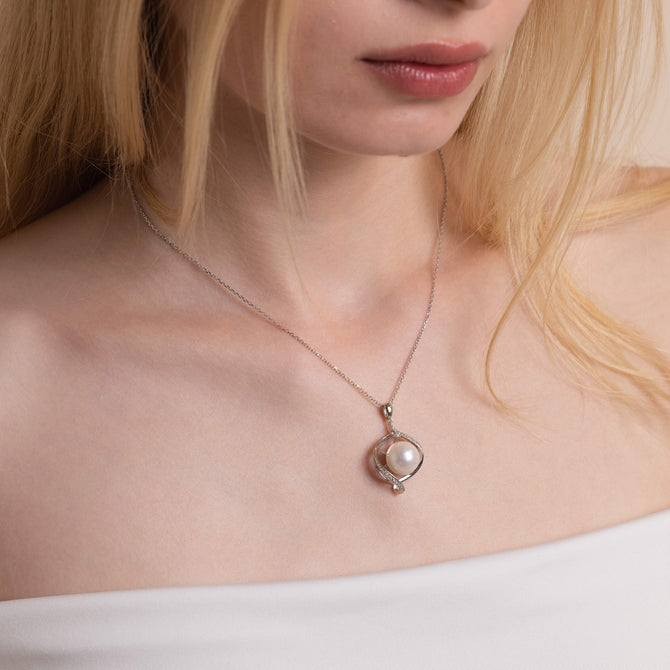
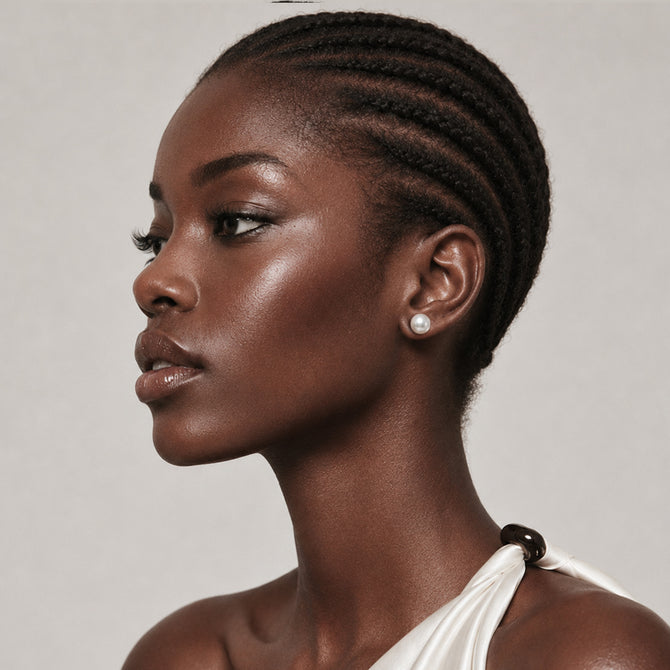
This is especially relevant in pieces where balance is visible at a glance. Stud earrings need harmony. A graduated strand needs rhythm. A solitaire pendant needs a pearl that can stand on its own. Strong sourcing relationships make that level of curation easier.
Clearer origin and pearl type
A trustworthy origin story is not only about romance. It is about accuracy. Customers deserve to know whether they are looking at freshwater, Akoya, Tahitian, white South Sea, or golden South Sea pearls, because each category has distinct characteristics and pricing.
Farm sourced pearls can support that clarity. When the chain of custody is shorter, it is easier for a brand to speak precisely about where a pearl came from and why it looks the way it does.
Better matching for finished jewelry
Loose pearls and finished jewelry require different kinds of expertise. Selecting a beautiful single pearl is one skill. Building a pair or strand with visual harmony is another. Farm relationships can give jewelers access to a broader range of pearls within the same harvest profile, which helps create better-matched finished pieces.
That difference is subtle until you see it. Then it is everything.
Ethical sourcing and what it should mean
Ethical sourcing is one of the most overused phrases in luxury retail, which is exactly why it should be handled carefully. In pearls, it should mean more than polished language. It should point to real practices: responsible farm partnerships, attention to environmental conditions, and a supply chain that is transparent enough to stand behind.
Pearl farming depends on healthy water and long cultivation cycles. Farms have a direct interest in maintaining those conditions, but standards still vary by region and operator. That is why close sourcing relationships matter. They create a stronger basis for accountability than distant, transactional buying.
For many customers, ethics and beauty are not separate concerns. A gift for a wedding, anniversary, birthday, or new chapter feels more meaningful when it comes with confidence in where it came from.
Farm sourced pearls and customization
Customization is where sourcing really shows its value. If you are designing a pendant, choosing a pair of pearls for earrings, or building a more personal bridal piece, access to well-selected pearls matters as much as the final setting.
A custom process works best when there is visibility into available shapes, sizes, colors, and price ranges. Farm sourced pearls make that easier because the jeweler is not choosing from a vague catalog with limited context. They can often work more precisely, helping you understand trade-offs between size and luster, shape and price, or rarity and wearability.
That is a more modern luxury experience - personal, informed, and transparent.
What to look for before you buy
If a brand highlights farm sourced pearls, look beyond the phrase itself. The best signs are specificity and consistency. Does the brand explain pearl types clearly? Does it talk about origin in a way that feels informed rather than generic? Are quality standards visible in how products are described and photographed?
It also helps to look for practical signals of confidence. Transparent pricing, clear return policies, and thoughtful customer education all suggest that a brand expects customers to compare, ask questions, and buy with care. That is a good thing.
At De Blancas, farm relationships in the Philippines and Indonesia support exactly that kind of trust - combining premium pearl selection with a more direct path to the customer.
The trade-off to understand
Farm sourced pearls are not a shortcut to perfection, and they do not remove the need for expert craftsmanship. A beautifully grown pearl can still be poorly set, badly matched, or presented without enough information. Sourcing is the beginning of quality, not the whole story.
That is why the best pearl jewelry comes from brands that combine direct sourcing with disciplined design, handcraft, and honest guidance. When all three work together, pearls feel less intimidating to buy online and more rewarding to own.
For anyone choosing pearl jewelry today, that is the real appeal of farm sourced pearls. They bring you closer to the source, closer to the truth of what you are buying, and often closer to the level of quality you hoped for in the first place. When a piece is meant to mark something lasting, that kind of clarity is a luxury of its own.