
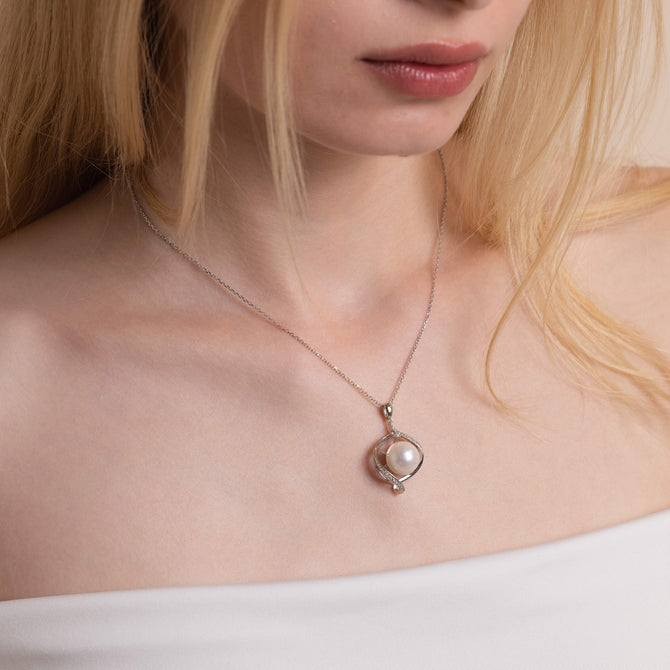
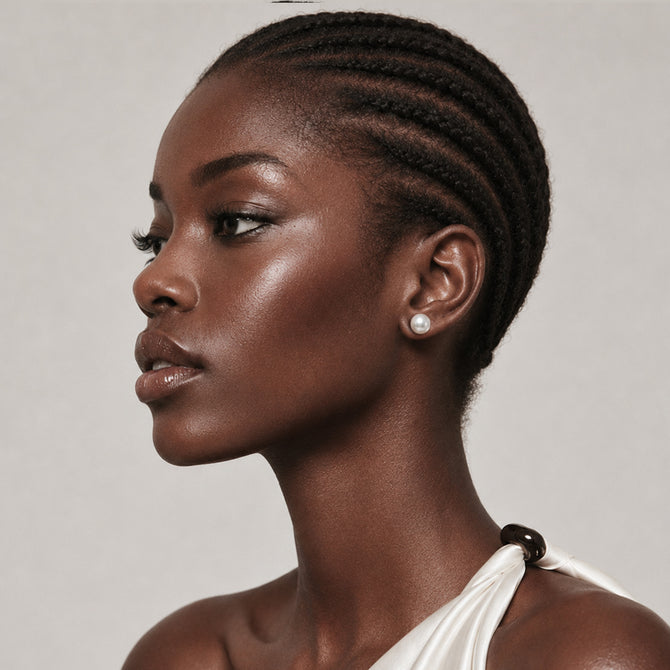

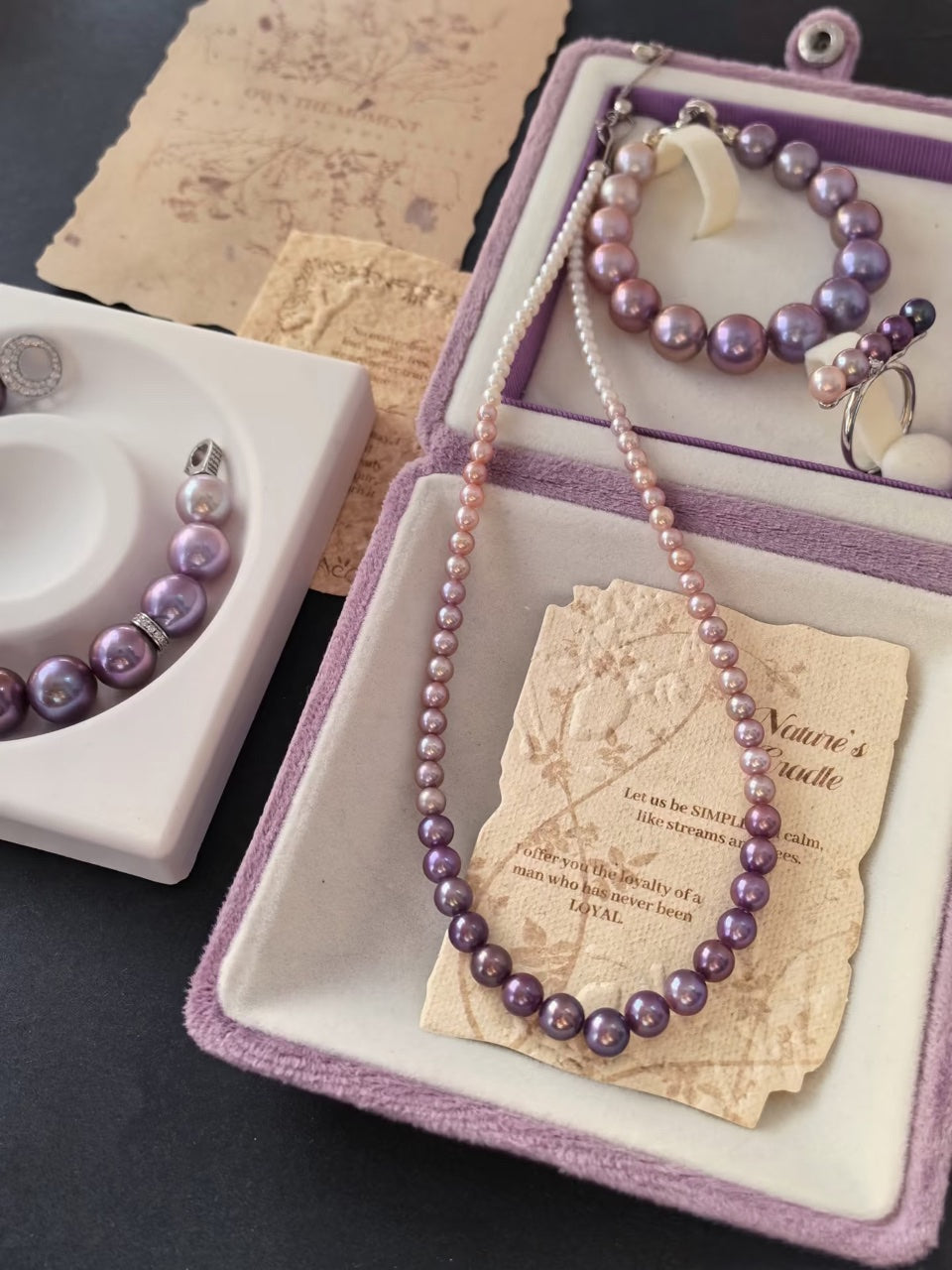
From soft lavender to deep violet, every pearl reveals a one-of-a-kind color formed by nature.
Filter and sort 14 products


Quick view Eggplant Purple Tahitian Pearl Stud Earrings From $499.00 USD /

Quick view 11-12mm Lavender Freshwater Pearl Fish Hook Earrings From $159.00 USD /
Quick view 
Quick view Lavender Freshwater Pearl Miria Pendant From $159.00 USD /

Quick view 7mm Lavender Freshwater Pearl Stud Earrings From $159.00 USD /Quick view 11mm Lavender Freshwater Pearl Stud Earrings From $329.00 USD /-

CRAFTED BY HAND
From pearl to finished jewel
Each pearl is carefully selected, matched and set to bring out its natural color and luster.
Quick view 10mm Lavender Freshwater Pearl Stud Earrings From $279.00 USD /Quick view 9mm Lavender Freshwater Pearl Stud Earrings From $239.00 USD /Quick view 12mm Lavender Freshwater Pearl Stud Earrings From $399.00 USD /
Quick view 11-12mm Tahitian Pearl Morphis Pendant From $399.00 USD /-

FROM THE LAKE
The origin of freshwater pearls
Pearl cultivation is a slow process shaped by water, time and careful tending. Every pearl is selected for its individual tone and luster.


Quick view 8-9mm Multicolor Freshwater Pearl Necklace From $299.00 USD /Quick view 8mm Lavender Freshwater Pearl Stud Earrings From $179.00 USD /Quick view 6mm Lavender Freshwater Pearl Stud Earrings From $139.00 USD /

Quick view Purple Freshwater Pearl & Diamond Virelia Ring From $199.00 USD /


A closer look
The natural spectrum of purple
Most of this collection features naturally lavender freshwater pearls, complemented by a small selection of Tahitian pearls with deeper eggplant-purple overtones. Start with the shade you love, then compare size, luster and setting.

Lavender freshwater pearls
Lavender, lilac and mauve tones give freshwater pearl jewelry a lighter palette. Compare the selected product photographs and specifications: the color name alone does not tell you whether a pearl has been treated.
View this piece
Eggplant-purple Tahitian pearls
Eggplant, also called aubergine, describes a purple-toned appearance over a darker pearl. Body color is the dominant shade; overtone is a secondary color over it. This is a different effect from a pale lavender pearl.
View this pieceThese are photographs from the linked product listings, not a same-lighting or same-scale comparison. Lighting, angle and screens can change the apparent shade; review the full product gallery before choosing.
Purple pearls: your questions answered
Yes. Real freshwater cultured pearls can have lavender or purple colors, and Tahitian cultured pearls can show purple-toned overtones. Imitation pearls can be purple too, so color alone cannot establish authenticity. Cultured pearls are real pearls grown with human assistance; they are not the same category as pearls formed without human intervention.
Both occur in the market. GIA has documented freshwater cultured pearls with naturally occurring strong pinkish-purple color, but real pearls can also be dyed. A photograph, a vivid shade or a color name is not proof of treatment status. Check the disclosure for the specific piece and ask for supporting information when the listing is unclear.
No. Freshwater and Tahitian are different cultured pearl types. Lavender freshwater jewelry often has a lighter overall color; an eggplant-purple Tahitian pearl has a darker appearance with purple-toned color effects. Confirm the pearl type on the product listing instead of identifying it from shade alone.
There is no single rarity or price rule for all purple pearls. Pearl type, size, luster, surface quality, shape, nacre and matching all matter, as do color preferences and supply. A color label does not make a lower-quality pearl more valuable than a well-matched, high-luster piece.
Pearls reflect their surroundings, and overtones can appear different with changes in angle and lighting. Camera exposure and screen settings also affect the appearance. Compare several views of the selected variant and contact us if you need clarification about the pictured shade before ordering.
Put pearls on after perfume and cosmetics, wipe them gently with a soft cloth after wear, and keep them away from harsh cleaners. Store them separately from harder jewelry. Do not use ultrasonic or steam cleaning, and follow the care instructions for the setting and any strung pearls as well.
Discover purple pearl jewelry from soft lavender freshwater designs to deeper eggplant-purple Tahitian tones. Compare studs, drops, necklaces and rings by pearl type, color and size. These shades create different effects in a finished piece, so review the selected product photographs and available options before choosing.
Explore related collections: Freshwater Pearls · Tahitian Pearl Earrings.