

Tahitian Pearls
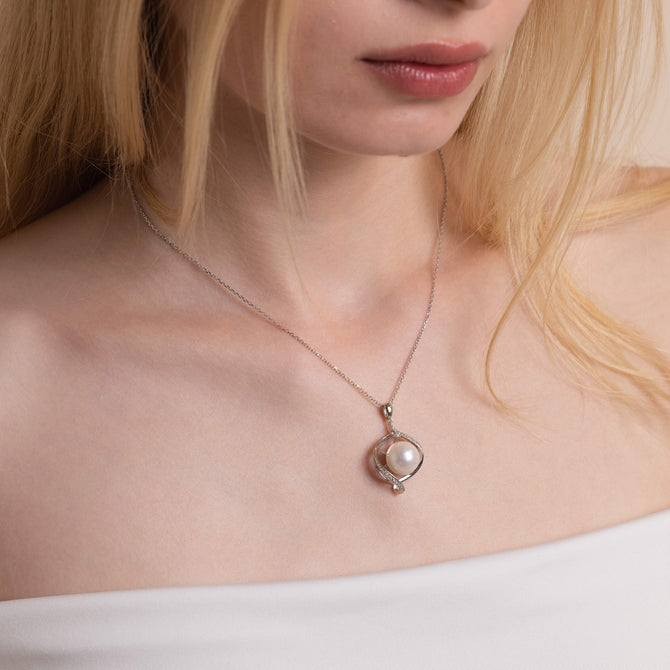
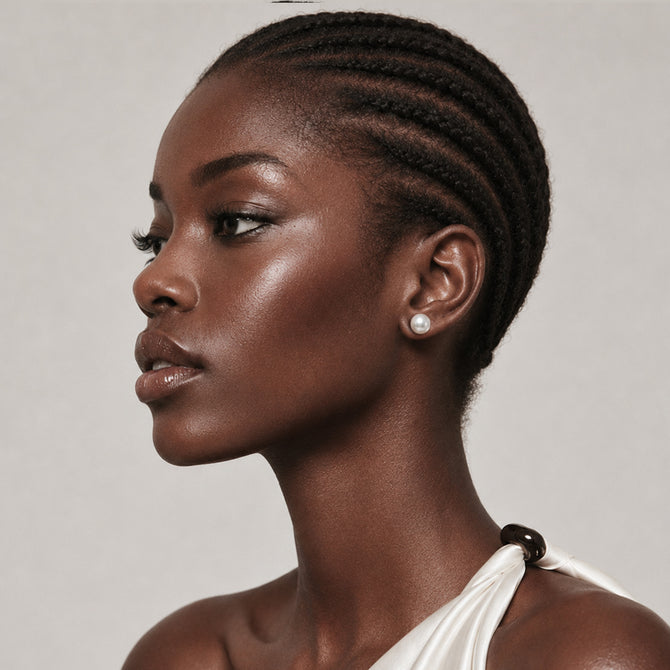
Explore Tahitian pearl jewelry through its distinctive dark colors and shifting overtones. The collection includes black, gray, peacock green and purple tones across earrings, necklaces, pendants, bracelets and rings. Compare pearl diameter, shape and setting on each product; photographs and available color options help you choose the combination you prefer.
Explore related collections: Tahitian Pearl Earrings · Tahitian Pearl Necklaces.


Filter and sort 41 products

Quick view 9-10mm Tahitian Pearl Midnight Glint Earrings From $349.00 USD /

Quick view 10.0-12.0mm Black Tahitian Pearl Necklace From $2,799.00 USD /

Quick view Titanium Gray Tahitian Pearl & Diamond Nocturne Pendant From $369.00 USD /

Quick view Dark Tahitian Pearl & Diamond Oravelle Ring From $249.00 USD /
Quick view 11-12mm Tahitian Pearl Morphis Pendant From $399.00 USD /

Quick view Dark Tahitian Pearl & Diamond Lumora Ring From $349.00 USD /

Quick view 12.0-14.0mm Black Tahitian Pearl Necklace From $4,399.00 USD /
Quick view 12-13mm 18K Gold Dark Tahitian Pearl Ébonara Pendant From $699.00 USD /
Quick view 9.0-11.0mm Black Tahitian Pearl Necklace From $1,999.00 USD /

Quick view Eggplant Purple Tahitian Pearl Stud Earrings From $499.00 USD /

Quick view Black Tahitian Pearl & Diamond Zenthia Ring From $319.00 USD /

Quick view Tahitian Pearl & Diamond Noctavelle Ring From $329.00 USD /
Quick view 8.5-9mm Titanium Gray Tahitian Pearl & Diamond Celarelle Ring From $319.00 USD /

Quick view Black Tahitian Pearl & Diamond Aurelune Ring From $299.00 USD /
Quick view 12-13mm Tahitian Pearl Orvanna Pendant From $379.00 USD /

Quick view Loose Round Tahitian Pearl From $249.00 USD /
Quick view 11-12mm Tahitian, White & Golden South Sea Trio Pearl Pendant From $999.00 USD /

Quick view 13.0-15.0mm Black Tahitian Pearl Necklace From $5,499.00 USD /

Quick view 9-10mm Titanium Gray Tahitian Pearl Fish Hook Earrings From $359.00 USD /

Quick view 9.0-10.0mm Multicolor Tahitian Pearl Bracelet From $1,199.00 USD /


How to Choose Tahitian Pearls
Explore the 5 key factors that define the beauty, quality, and value of Tahitian pearls.


Pearl Surface
Tahitian pearls naturally form with small surface marks. Higher-grade pearls have cleaner surfaces with fewer visible blemishes, while lower grades may show more natural spots, marks, or texture.


Pearl Luster
Luster describes how sharply light reflects from the pearl surface. The best Tahitian pearls have a crisp, mirror-like glow with visible depth.


Pearl Color
Tahitian pearls range from silver and charcoal to peacock, aubergine, green, and blue overtones. Rarity, balance, and richness all influence value.


Pearl Shape
Round pearls are typically the rarest, while drop, oval, button, and baroque shapes offer distinctive character and strong design appeal.


Pearl Size
Larger Tahitian pearls are less common and often more valuable when matched with strong luster, clean surface, and beautiful color.
Common Questions About Tahitian Pearls
What are Tahitian pearls?
Tahitian pearls are cultured saltwater pearls known for their naturally dark colors, rich luster, and unique overtones. They are grown in black-lipped oysters, mainly in the clear lagoons of French Polynesia, including Tahiti and nearby islands.
What makes Tahitian pearls special is that their color forms naturally inside the oyster. Instead of being simply “black pearls,” they can show many beautiful shades, including silver, charcoal, green, blue, eggplant purple, and peacock.
Are your Tahitian pearls naturally colored, or are they treated or dyed?
Our Tahitian pearls are 100% natural in color. Their dark shades and unique overtones form naturally inside the black-lipped oyster in French Polynesia, not from dye or color treatment.
How can I tell if my Tahitian pearls are authentic?
Authentic Tahitian pearls are usually recognized by their depth, glow, and natural color variation. Instead of looking like a flat black bead or being perfectly uniform in tone, a real Tahitian pearl often shows a layered shine and subtle shifts in color when viewed from different angles or under different lighting. In comparison, dyed black pearls may look more even, flat, or artificial in color.
The best way to make sure your Tahitian pearls are authentic is to buy from a trusted pearl jeweler who clearly explains the pearl type, origin, color, and quality. At DE BLANCAS, we carefully select our Tahitian pearls for natural color, luster, shape, and overall beauty, so you can shop with confidence.
Why are Tahitian pearls expensive?
Tahitian pearls are expensive because they are rare, slow to grow, and difficult to produce in high quality. They are cultured in black-lipped oysters, mainly in the clean lagoon waters of French Polynesia, where the farming environment requires careful control and years of patient care.
Not every oyster successfully produces a beautiful pearl. Many Tahitian pearls come out with irregular shapes, visible surface marks, or softer luster. Pearls that are round, smooth, highly lustrous, and naturally rich in color are much harder to find.
What Tahitian pearl colors do you offer, and how should I choose?
We offer Tahitian pearls in several natural color styles, including Dark Black, Peacock Green, Titanium Gray, and Eggplant Purple. Each color forms naturally inside the black-lipped oyster, so every pearl has its own tone, glow, and character.
- Dark Black Tahitian pearls have a bold and classic look, perfect for customers who want a deep, elegant pearl color.
- Peacock Green is one of the most popular choices, known for its rich green overtone and eye-catching shine.
- Titanium Gray feels modern, soft, and easy to wear every day.
- Eggplant Purple has a warmer purple tone, giving the pearl a more unique and artistic look.
What size Tahitian pearl should I choose?
Tahitian pearls are often larger than Akoya pearls and many freshwater pearls, which is one reason they have such a bold and luxurious look. Most Tahitian pearls used in fine jewelry range from around 8mm to 15mm, with larger pearls being rarer and more eye-catching.
For a subtle everyday look, 8-9mm Tahitian pearls are a beautiful choice. They feel elegant, modern, and easy to wear. For a classic luxury look, 9-11mm is one of the most popular size ranges for Tahitian pearl earrings, pendants, and necklaces. If you prefer a stronger statement, 11mm and above will create a more dramatic and high-end appearance.
What is the difference between Tahitian pearls and freshwater black pearls?
Tahitian pearls are saltwater pearls known for their naturally dark colors, metallic luster, and rich overtones. Many black freshwater pearls on the market are color-treated to achieve a dark look.
Can I request a specific Tahitian pearl color or overtone?
Yes. If you prefer a certain color, such as peacock green, dark black, silver gray, or eggplant purple, you can contact us before placing your order. Since each Tahitian pearl is naturally different, we will do our best to select a pearl that matches your preferred tone.
Will the pearl look exactly like the photo?
Tahitian pearls can look slightly different depending on lighting, screen settings, and viewing angle. Their overtones often shift under natural light. For one-of-a-kind strands or special pieces, the photos are intended to show the actual look as closely as possible. For earrings, pendants, and rings, we carefully match pearls to the same quality, size, and color range shown.
How should I care for Tahitian pearl jewelry?
Tahitian pearls should be kept away from perfume, hairspray, lotion, and harsh chemicals. After wearing, gently wipe them with a soft cloth and store them separately from harder jewelry. Pearls are naturally delicate, so simple care helps preserve their luster and surface beauty over time.