
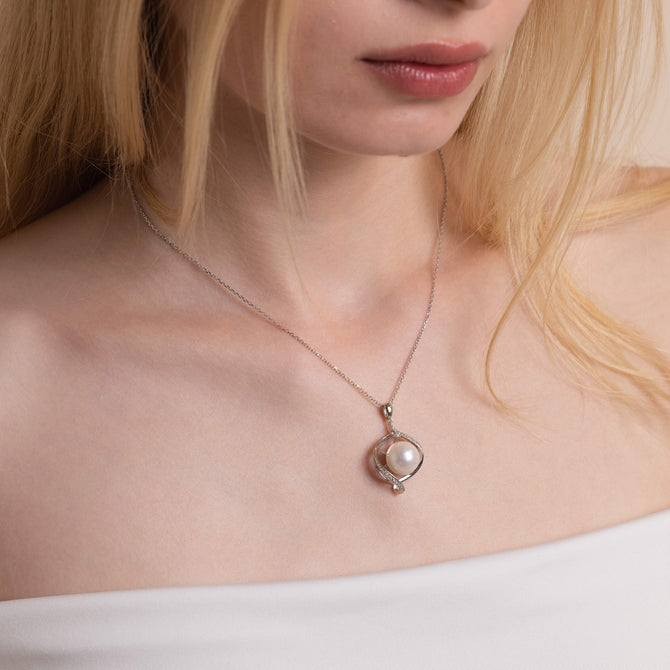

A pearl can look quietly perfect in a velvet box, but the real story starts long before it reaches a jewelry case. If you are shopping for ethical pearl jewelry, beauty alone is not enough. You want to know where the pearl came from, how it was sourced, who handled it, and whether the finished piece reflects genuine quality rather than a polished marketing claim.
That question matters even more with pearls because they are organic gems shaped by living environments, careful cultivation, and highly skilled harvesting. Unlike mass-produced accessories, fine pearl jewelry carries a direct connection to farms, waters, craftspeople, and selection standards. When those parts of the process are handled well, the result is not only more responsible. It is often more beautiful, more durable, and more worthy of becoming a piece you keep for years.
What ethical pearl jewelry should mean
The phrase gets used broadly, and that is where buyers can get lost. Ethical pearl jewelry is not simply jewelry that looks natural or comes in minimalist packaging. At a higher standard, it means the pearls are sourced with attention to environmental stewardship, fair working conditions, responsible farm relationships, and transparent quality practices.
For pearl jewelry, ethics usually begins at the farm level. Pearls are cultivated in marine or freshwater environments that need ongoing care. Healthy water conditions are not a side issue. They are central to producing strong, lustrous pearls. Responsible pearl farming depends on protecting those environments because poor water quality affects both ecosystems and pearl quality.
Ethics also extends to how pearls move through the supply chain. Buyers should expect clarity around sourcing regions, handling, and manufacturing standards. A seller does not need to turn every purchase into a technical report, but they should be able to explain where their pearls come from and how they maintain consistency. Vague claims with no detail are usually a sign to look closer.
Why sourcing affects quality, not just values
With fine jewelry, ethics and quality are often discussed as if they are separate categories. In pearls, they overlap more than many shoppers realize.
A responsibly run farm has a reason to protect its waters, invest in husbandry, and maintain cultivation standards over time. That long-term approach tends to produce better nacre development, stronger luster, and more reliable matching for strands and pairs. In other words, when a brand takes sourcing seriously, you often see the difference in the finished jewelry.
That does not mean every ethical pearl is flawless, or that every expensive pearl is ethically sourced. It means the best pearl programs treat sourcing, grading, and craftsmanship as part of the same promise. A beautiful necklace should feel elegant when worn, but it should also stand up to scrutiny when a customer asks practical questions.
Ethical pearl jewelry by pearl type
Not all pearls follow the same path, so ethical considerations can vary by type. Freshwater pearls are widely loved for their versatility, accessible pricing, and broad range of shapes and sizes. They can be an excellent choice for everyday elegance, especially when sourced from trusted farming partners with strong quality controls.
Akoya pearls are prized for their crisp luster and classic round appearance, making them especially popular for bridal jewelry and timeless gifts. Because matching and grading matter so much with Akoya pieces, buyers should look for brands that are selective about surface quality, shape, and overtone rather than relying on the name alone.
Tahitian pearls and South Sea pearls, including white and golden varieties, sit at a more luxurious end of the category. Their value reflects rarity, size, and visual depth, but also the complexity of cultivating them. With these pearls in particular, direct sourcing and transparent farm relationships can make a meaningful difference in both price and trust.
How to tell if a brand is truly responsible
A polished website is easy to build. Trust takes more substance. When evaluating ethical pearl jewelry, the strongest signs usually come from how a brand talks about sourcing and how clearly it explains what you are buying.
Start with specificity. Does the brand identify pearl types accurately and explain their differences? Does it mention sourcing regions or farm relationships in a way that feels informed rather than generic? Responsible sellers tend to be comfortable with detail because they understand the category and have nothing to hide.
Next, look at quality education. A trustworthy pearl specialist should help you understand luster, surface, shape, size, matching, and setting craftsmanship. That educational layer matters because it shows the brand is selling more than an image. It is selling expertise.
Then consider pricing. Ethical does not always mean inexpensive, especially with premium pearls, but it should feel rational. If the pricing is wildly inflated without a clear quality story, that is worth questioning. Direct-to-consumer brands with close farm relationships can often offer stronger value because there are fewer markups between sourcing and sale.
Finally, pay attention to customer protections. Returns, shipping clarity, and responsive service may not sound like ethical sourcing issues, but they reflect whether a company is committed to confidence and accountability. Fine jewelry should come with reassurance, not pressure.
The trade-offs buyers should understand
Ethical pearl jewelry is not about pretending every good choice is simple. There are real trade-offs.
For example, a perfectly matched strand of large South Sea pearls will cost more than a freshwater necklace, even when both are responsibly sourced. That difference is not automatically a markup problem. It reflects rarity, cultivation time, and selection standards.
Similarly, some shoppers want the lowest possible price, while others prioritize origin transparency or a very specific pearl type. You may need to decide what matters most for the piece you are buying. For a bridal set or milestone gift, you may place more emphasis on premium matching and longevity. For an everyday pendant, value and versatility may lead the decision.
There is also the question of natural variation. Pearls are organic gems, so slight differences in shape, overtone, and surface are part of their character. Ethical sourcing does not erase that. A reputable jeweler should help you understand which variations are normal, which affect value, and which make a piece feel distinctive rather than imperfect.
Why craftsmanship still matters
Even the most beautifully sourced pearl can be diminished by weak jewelry construction. Ethical pearl jewelry should not stop at the farm. It should continue through setting, drilling, matching, stringing, and finishing.
This is especially important for pearl earrings, necklaces, and bridal pieces that are meant to be worn on meaningful occasions and kept for years. Secure mountings, thoughtful design proportions, and careful handling all affect how the jewelry wears over time. A fine pearl deserves craftsmanship that protects it.
That is one reason specialized pearl jewelers often inspire more confidence than broad catalog retailers. Expertise shows up in the details, from selecting well-matched pairs for studs to balancing pearl size with chain weight in pendants. Those decisions are subtle, but they shape the difference between a piece that feels merely pretty and one that feels truly refined.
Buying ethical pearl jewelry online with confidence
Online jewelry shopping has become more comfortable for many buyers, but pearls still raise questions because quality can be harder to judge on a screen. The answer is not to avoid buying online. It is to buy from a source that reduces uncertainty.
Look for clear product details, accurate pearl type labeling, and a shopping experience built around transparency. Good imagery helps, but it should be supported by real education and service. Fast delivery, fair return policies, and responsive support all matter because they allow buyers to move from interest to confidence.
This is where a specialist can stand apart. De Blancas, for example, pairs farm-sourced pearls, handcrafted fine jewelry, and direct pricing with the kind of guidance modern customers actually need. For shoppers who want luxury without guesswork, that combination matters.
Customization can also be part of an ethical purchase when handled well. A custom pearl gift or bridal design is not just a way to create something personal. It can also reduce the chances of settling for a generic piece that does not quite fit the moment. When pricing and design expectations are communicated clearly, customization feels less like a leap and more like a considered choice.
A better way to think about value
The strongest case for ethical pearl jewelry is not guilt, and it is not trend. It is value in the fullest sense of the word. You are choosing a gem shaped by time, environment, craftsmanship, and human care. When those elements are respected, the finished jewelry carries more than visual appeal. It carries integrity.
That is what makes a pearl necklace feel right as a wedding piece, a pair of studs feel meaningful as an anniversary gift, or a simple pendant become part of your daily style. The purchase is not only about owning something elegant. It is about knowing the elegance is backed by substance.
If you are deciding between pieces, start with the one that gives you the clearest answers. Beauty should still take your breath away, but trust should make the decision easy.